Battery Storage Explained: Is It Right for Your Alberta Home? (2026)

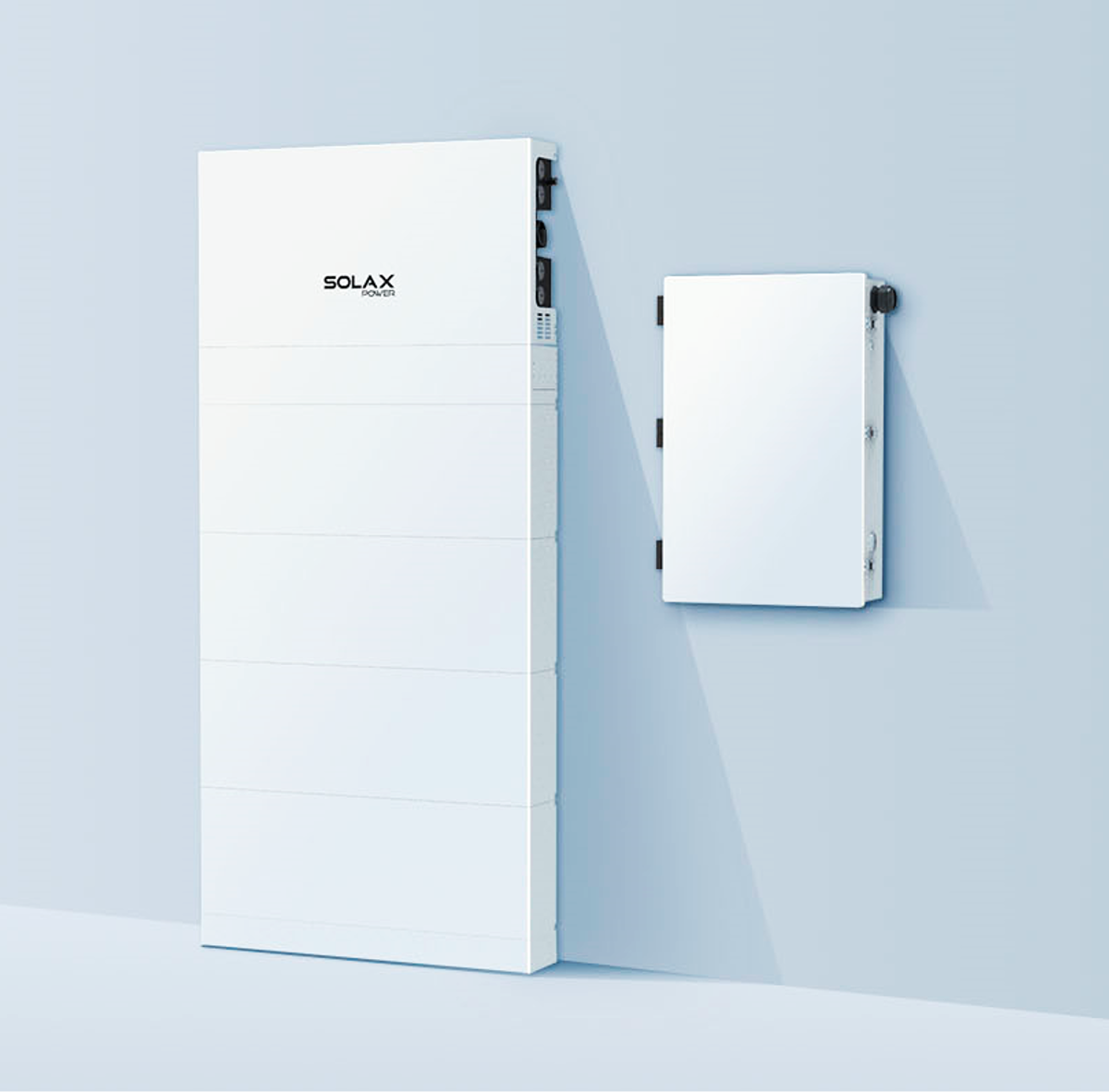
A home battery is worth considering if you want backup power during outages, greater energy independence, or to store more of the solar energy your home produces instead of exporting it to the grid. Whether it makes financial sense depends on your electricity usage, backup needs, and the financing options available where you live.
How Does a Home Battery Actually Work?
During the day, a battery stores excess power your solar panels produce beyond what your home is using in that moment, power that would otherwise simply export to the grid. At night, or during an outage, that stored power discharges to run your home. Grid-connected battery systems also stay topped up from the grid itself, so even on a cloudy week, the battery is ready when you need it.
How Much Backup Power Do You Actually Get?
Most residential battery systems store somewhere between 10 and 20 kWh of usable energy. How long that lasts depends entirely on what you are powering. A system set up to cover essential circuits only, think lights, refrigerator, Wi-Fi, and a few key outlets, typically runs 8 to 12 hours or longer if you are conservative with usage. Trying to run central air conditioning or an electric range off the same battery will drain it considerably faster.
One Battery, or More? Sizing It Correctly
If your goal is simply to keep the lights, fridge, and internet running during an outage, a single battery is often enough. If you want true whole-home coverage, including air conditioning or major appliances, that usually calls for two or more batteries, or a higher-output system designed for that load. This is exactly the kind of thing worth sizing properly during a site assessment rather than guessing at.
Battery or Generator: What Is the Real Difference?
Batteries excel during the shorter outages many homeowners experience, providing instant, silent backup power without the need for fuel. Generators are generally better suited to prolonged outages lasting several days, where battery capacity alone may not be sufficient. Plenty of homeowners run both, a battery for the everyday blips and instant switchover, a generator in reserve for the rare extended event.
Are Modern Home Batteries Actually Safe?
Modern residential battery systems incorporate multiple safety features, including battery management systems (BMS), thermal monitoring, fault detection, and automatic shutoff protection. Products installed in Canada must also meet recognized electrical and safety certification requirements. Most premium battery systems carry warranties of around 10 years, although expected service life varies by manufacturer and usage.
Does Alberta Offer Any Financing for Battery Storage?
There is no dedicated federal or provincial rebate for residential battery storage in Alberta. However, the Clean Energy Improvement Program (CEIP), a municipal financing program available in participating communities, may help finance eligible battery storage projects. Eligibility requirements vary by municipality, but in many CEIP programs, battery storage is treated as a supporting upgrade and is typically financed alongside a new eligible solar installation. CEIP may finance up to 100% of eligible project costs, with repayment through your property tax bill over terms of up to 20 years. Interest rates, funding caps, and eligibility requirements vary by municipality.
What About Batteries for an Incorporated Business or Farm?
If the property is operated as an incorporated business, battery storage is explicitly included alongside solar equipment under the federal Clean Technology Investment Tax Credit, a refundable credit of up to 30 percent on the capital cost. The full 30 percent rate applies to systems in service through the end of 2033, then drops to 15 percent for 2034, its final year, so timing matters if you are planning a larger installation. As with solar, this specific credit requires actual incorporation, not just business use in a general sense, so it is worth confirming your structure with an accountant before assuming eligibility.
The right battery setup depends entirely on your home, your usage, how often you actually lose power, and which financing options your municipality participates in. A free consultation is the clearest way to find out what that looks like for your specific situation.